


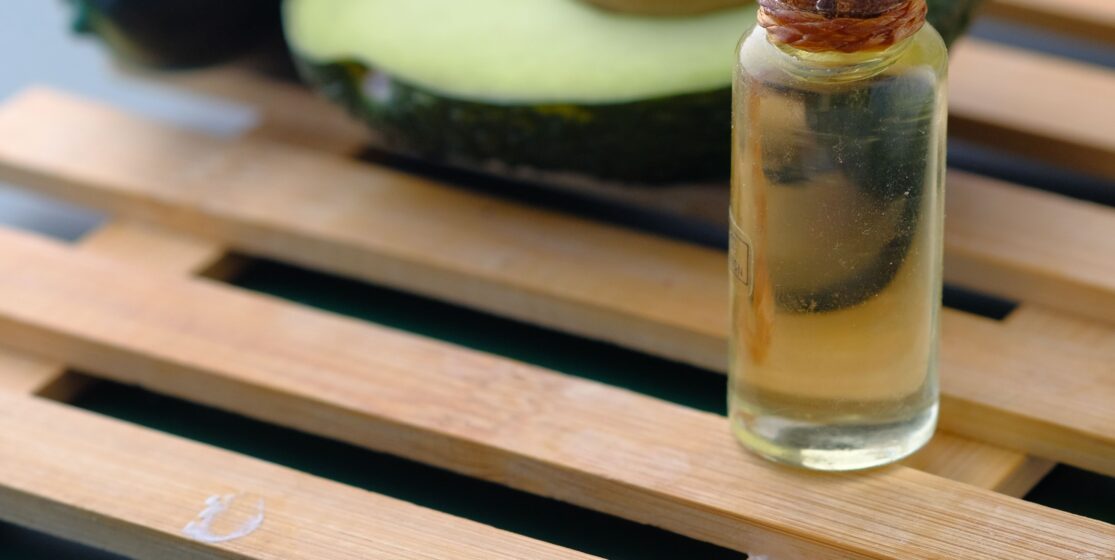
Avocado Oil for the Skin: Properties and Cosmetic Uses
The avocado is much more than just a common food item in our kitchens. Its pulp is also used to produce avocado oil—a vegetable oil that, beyond its well-known culinary uses, serves as an ingredient in products designed for skin and hair care.
Its composition, characterized by the presence of various fatty acids and a significant content of oleic acid, explains part of the interest it has generated within the cosmetic industry.
But what properties does avocado oil actually have for the skin? How is it used in cosmetics? Is avocado oil intended for food the same as that intended for cosmetic use?
In this guide from Avocado Real, we explain its key characteristics, uses, and the differences you should be aware of.
What is avocado oil?
Avocado oil is a vegetable oil obtained from the fruit of the avocado tree (Persea americana).
One of its most interesting characteristics is its lipid composition. It contains various fatty acids and is particularly notable for its content of oleic acid, a monounsaturated fatty acid.
Its exact composition can vary depending on factors such as the avocado variety, growing conditions, the ripeness of the fruit, and the method used to extract and process the oil.
There are also significant differences between avocado oil obtained through mechanical processes and oil that has subsequently undergone a refining process.
These differences can influence characteristics such as the color, aroma, flavor, and final composition of the oil.
Why is avocado oil used in cosmetics?
Vegetable oils are widely used as ingredients in products designed for skin and hair care.
Avocado oil has attracted particular interest due to its lipid composition and can be found as an ingredient in various cosmetic formulations.
These include creams, balms, body oils, masks, and products intended for hair care.
It is important, however, to distinguish between the studied properties of an individual ingredient and the effects that a finished cosmetic product may provide.
The complete formulation, the concentration of each ingredient, and the intended use of the product are all fundamental factors.
Benefits of avocado oil for the skin
Interest in avocado oil for the skin is closely linked to its composition and lipid profile. Here are some of its most significant characteristics:
1. Lipid-rich profile
Avocado oil contains various fatty acids—including oleic, palmitic, linoleic, and palmitoleic acids—though their proportions may vary.
This composition explains its use as an ingredient in various skincare formulations.
2. Use as an emollient ingredient
Vegetable oils are commonly used in cosmetics in formulations designed to condition the skin and provide a sense of softness and suppleness.
For this reason, avocado oil can be found as an ingredient in creams, body oils, balms, and other personal care products.
3. Components inherent to avocado oil
In addition to its fatty acids, avocado oil may contain various minor components, the presence and concentration of which depend—among other factors—on the extraction method and subsequent processing.
This is one of the reasons why not all avocado oils exhibit exactly the same characteristics.
Avocado oil for the face
Avocado oil can be found as an ingredient in facial care products, such as creams, balms, and cosmetic oils.
However, the fact that an ingredient is plant-based does not automatically mean it is suitable for everyone or for all skin types.
Every formulation is different, and individual skin responses can also vary.
For those with particularly sensitive skin, a tendency toward acne, or any dermatological condition, it is advisable to pay close attention to the product being used and to consult a healthcare professional when necessary.
Avocado oil for the body
Avocado oil can also be included in formulations designed for body care.
Vegetable oils are commonly used in cosmetic products intended to keep the skin in good condition and provide a feeling of softness.
For this reason, avocado oil can be found as an ingredient in body oils, creams, balms, and other personal care products.
It is worth remembering that the characteristics of a cosmetic product depend on its entire formulation, rather than just one of its individual ingredients.
Avocado oil for hair
The cosmetic use of avocado oil is not limited to the skin.
It can also be found as an ingredient in products designed for hair maintenance and conditioning.
It is common to find vegetable oils in products such as:
• Hair masks
• Conditioners
• Hair oils
• Hair creams
• Products for the care of hair ends
Its lipid-based nature makes avocado oil an attractive ingredient for formulations intended for hair conditioning.
The result will always depend on the product's formulation, the amount used, and the specific characteristics of each hair type.
Extra Virgin vs. Refined Avocado Oil: Are They the Same?
No. Although both come from the avocado, extra virgin avocado oil and refined avocado oil differ due to their production processes.
Extra Virgin Avocado Oil
Extra virgin avocado oil is obtained through mechanical processes and retains a sensory profile more characteristic of the fruit itself.
It may exhibit a more intense color, as well as a more recognizable flavor and aroma.
Refined Avocado Oil
Refined avocado oil has undergone a refining process that alters certain characteristics of the oil.
It generally offers a more neutral sensory profile, a particularly useful quality when versatility is required for various culinary preparations.
Therefore, "extra virgin" and "refined" are not interchangeable terms. They represent two types of avocado oil with distinct characteristics, and the choice between them will depend on the intended use.
Can edible avocado oil be used on the skin?
It is important to make a distinction here. Avocado oil can be intended for either food or cosmetic use; however, each product must be used in accordance with the purpose for which it was developed and marketed.
The fact that an avocado oil is suitable for consumption does not necessarily mean that the same product is intended for skin or hair care. Food products and cosmetic products have different intended uses and requirements.
For this reason, if you are looking for avocado oil for use on your skin or hair, or for cosmetic formulations, it is advisable to choose a product specifically intended for such use and to follow the relevant instructions and documentation.
At Avocado Real, we offer avocado oil for both food and cosmetic applications, providing various solutions tailored to each client's specific needs and intended uses.
This allows you to select the right avocado oil based on its purpose: food, personal care, or cosmetic formulation.
Are "natural" and "cosmetic" the same thing?
No.
The fact that an ingredient is of natural origin does not automatically mean that a product is intended for cosmetic use.
“Natural” refers to specific characteristics or the origin of an ingredient, whereas the concept of a cosmetic product relates to its intended purpose and specific regulatory requirements.
That is why it is important to know what product we are using, how it has been manufactured, and for what use it has been designed.
What does research say about avocado oil and the skin?
The topical use of various vegetable oils has been the subject of scientific research, including studies and reviews that have analyzed their composition and their interaction with various skin-related processes.
Avocado oil is among the vegetable oils that have been studied, due in part to its lipid composition.
There is also specific experimental research on avocado oil. However, it is essential to interpret these results correctly.
Results obtained from experimental studies or animal models cannot be automatically applied to any commercial product, nor can they be used to claim that a specific oil prevents, treats, or cures a particular medical condition.
For this reason, when discussing avocado oil, we prefer to distinguish between what is known about its composition and cosmetic use, and claims that would require specific clinical evidence.
How do you choose a good avocado oil?
Before choosing avocado oil for your skin, hair, or diet, the first step is to determine how you intend to use it.
If you are looking for an oil for cooking, frying, baking, dressing, or using in recipes, you should choose a product marketed for food use.
If you are specifically looking for a product for skin or hair care, ensure that it is intended for that purpose and always follow the manufacturer’s instructions.
It is also advisable to check the following:
• Product name
• List of ingredients
• Production method
• Labeling
• Intended use
• Storage instructions
• Information about the manufacturer or the party responsible for the product
Transparency and knowing exactly what we are buying are essential for making the right choice.
Avocado Real avocado oil for cosmetic use
At Avocado Real, we also offer avocado oil for cosmetic use, intended for professionals, businesses, and clients looking to incorporate this ingredient into skincare and haircare applications.
Avocado oil is notable for its lipid composition and its versatility as an ingredient, which has led to its use in a variety of cosmetic formulations.
In addition to our range of avocado oils for food use, we provide specific solutions for the cosmetic sector, with a clear distinction between products based on their intended application.
If you are looking for avocado oil for cosmetic use, you can contact Avocado Real to learn about available formats, product characteristics, documentation, and supply terms.
Avocado oil for companies and professionals in the cosmetic sector
We work with companies and professionals who require avocado oil for cosmetic applications and the development of personal care products.
Whether you are a cosmetic manufacturer, laboratory, formulator, raw material distributor, cosmetic brand, contract manufacturer, or an industry professional, our team can provide information on the available options and assess your supply requirements.
Frequently asked questions about avocado oil for the skin
Is avocado oil used in cosmetics?
Yes. Avocado oil is used as an ingredient in various cosmetic formulations designed for skin and hair care.
Due to its lipid composition, it can be found in products such as creams, balms, body oils, masks, conditioners, and other personal care items.
What properties does avocado oil have for the skin?
Avocado oil is notable for its lipid composition and the presence of various fatty acids, including oleic acid.
In cosmetics, it can be used as an emollient and conditioning ingredient in formulations designed for skin care and maintenance.
Can avocado oil be used on hair?
Yes, avocado oil is also used as an ingredient in hair care and conditioning products.
It can be found in hair masks, conditioners, hair oils, creams, and other products designed for hair care.
Are food-grade avocado oil and cosmetic-grade avocado oil the same thing?
Not necessarily. Although both may be derived from the avocado, each product should be used in accordance with the purpose for which it was developed and marketed.
Products intended for food use and those intended for cosmetic use have different intended applications and requirements. Therefore, it is important to always check the information and documentation associated with the product.
Can edible avocado oil be used on the skin?
The fact that an avocado oil is suitable for food consumption does not necessarily mean that the same product is intended for cosmetic use.
If you are looking for avocado oil for your skin, hair, or for a cosmetic formulation, it is advisable to choose a product specifically intended for that purpose and to follow the corresponding instructions.
What is the difference between extra virgin avocado oil and refined avocado oil?
Both are derived from the avocado, but they differ primarily in their production process.
Extra virgin avocado oil is obtained through mechanical means and retains a more distinctive sensory profile, whereas refined avocado oil has undergone a refining process and exhibits different characteristics.
The choice will depend on the intended use and the specific requirements for each application.
Where can I buy avocado oil for cosmetic use?
Avocado Real offers avocado oil for various applications, including options specifically for the cosmetic sector.
If you are a manufacturer, laboratory, formulator, distributor, cosmetic brand, or industry professional, please contact our team to request information regarding available formats, product specifications, documentation, and supply terms.
Avocado oil: food and cosmetics
Avocado oil for the skin is one of the various applications this ingredient has within the cosmetic sector, in addition to its well-known uses in the food industry.
Its lipid composition and specific characteristics have led to its use as an ingredient in various formulations designed for skin and hair care.
However, it is always important to distinguish between the different uses of avocado oil and to select a product appropriate for its intended purpose.
At Avocado Real, we work with avocado oil for a variety of applications, offering solutions for both the food and cosmetic sectors.
Our goal is to offer a clearly identified product, with information about its features, and a solution tailored to each client's needs.
Are you looking for avocado oil for cosmetic use?
At Avocado Real, we offer avocado oil solutions for companies and professionals seeking this ingredient for cosmetic applications.
Get in touch with our team and let us know what you need. We will provide you with information regarding available options, formats, product specifications, documentation, and supply terms.
Are you looking for avocado oil for cooking?
Discover our range of Avocado Real avocado oils for culinary use and choose the variety that best suits your style of cooking.
Sources and references
This content has been prepared for informational purposes, drawing on official sources and scientific literature concerning cosmetic products, vegetable oils, and the topical use of avocado oil.
1. Regulation (EC) No 1223/2009 on cosmetic products — European Union
European regulation establishing the requirements applicable to cosmetic products and their marketing within the European Union.
2. Spanish Agency of Medicines and Medical Devices (AEMPS) — Legislation on cosmetic products
Official information from the AEMPS regarding the legislation applicable to cosmetic products in Spain and the European Union.
3. AEMPS — Frequently Asked Questions regarding Regulation (EC) No 1223/2009
Official information on the definition of a cosmetic product and the application of the European Regulation on cosmetic products.
A scientific review published in the international Journal of Molecular Sciences that examines the topical application of various plant oils, including avocado oil, and the available evidence regarding their interaction with the skin.
An experimental study published in Evidence-Based Complementary and Alternative Medicine regarding a semisolid formulation containing avocado oil, tested in an animal model. Its results should not be interpreted as direct clinical evidence for humans.
Informational notice
The information contained in this article is for informational purposes only and does not replace advice from healthcare professionals, dermatologists, or specialists in cosmetic formulation. The characteristics, applications, and conditions of use for each product should be evaluated in accordance with its intended use, specifications, and relevant documentation.
